EXAMPLE · fictional company · site by KAPT
Skip to content
Plainlabel Solar Free estimate

Type your monthly electric bill and the label shows the system size it calls for. No promise of a zero bill.

Service area
Tampa, FL

Example estimate for a $180 bill. Type yours.

Usage
1,200kWh per month
System
10.0kW
Roof
525sq ft, approx.
Get a free estimate

Important: example estimate based on the bill amount, assuming about $0.15 per kWh, 5 peak sun hours a day and 400 W panels. Final sizing comes from your utility bills and a site survey.

Clay-tile roofs in a neighborhood, one of them with solar panels, under a clear blue sky
Illustrative image

What happens between your roof and your bill.

  1. Panels

    Turn sunlight into electricity during the day.

  2. Inverter

    Converts that power to the AC your outlets use.

  3. Your home

    Uses what it needs on the spot.

  4. Meter

    Tracks power in both directions: what comes from the grid and what you send back.

  5. Grid

    Takes your extra by day and returns it at night. Your utility's net metering terms decide how that extra is credited.

kW
The size of the system: the power it delivers in the strongest sun.
kWh per month
What it actually produces. It depends on the sun, roof tilt and direction, shade and heat.
Net metering
Extra energy you send to the grid may be credited on your bill. Terms vary by utility, so ask for the current rules.

So compare quotes by estimated kWh produced per month, not just by the number of panels.

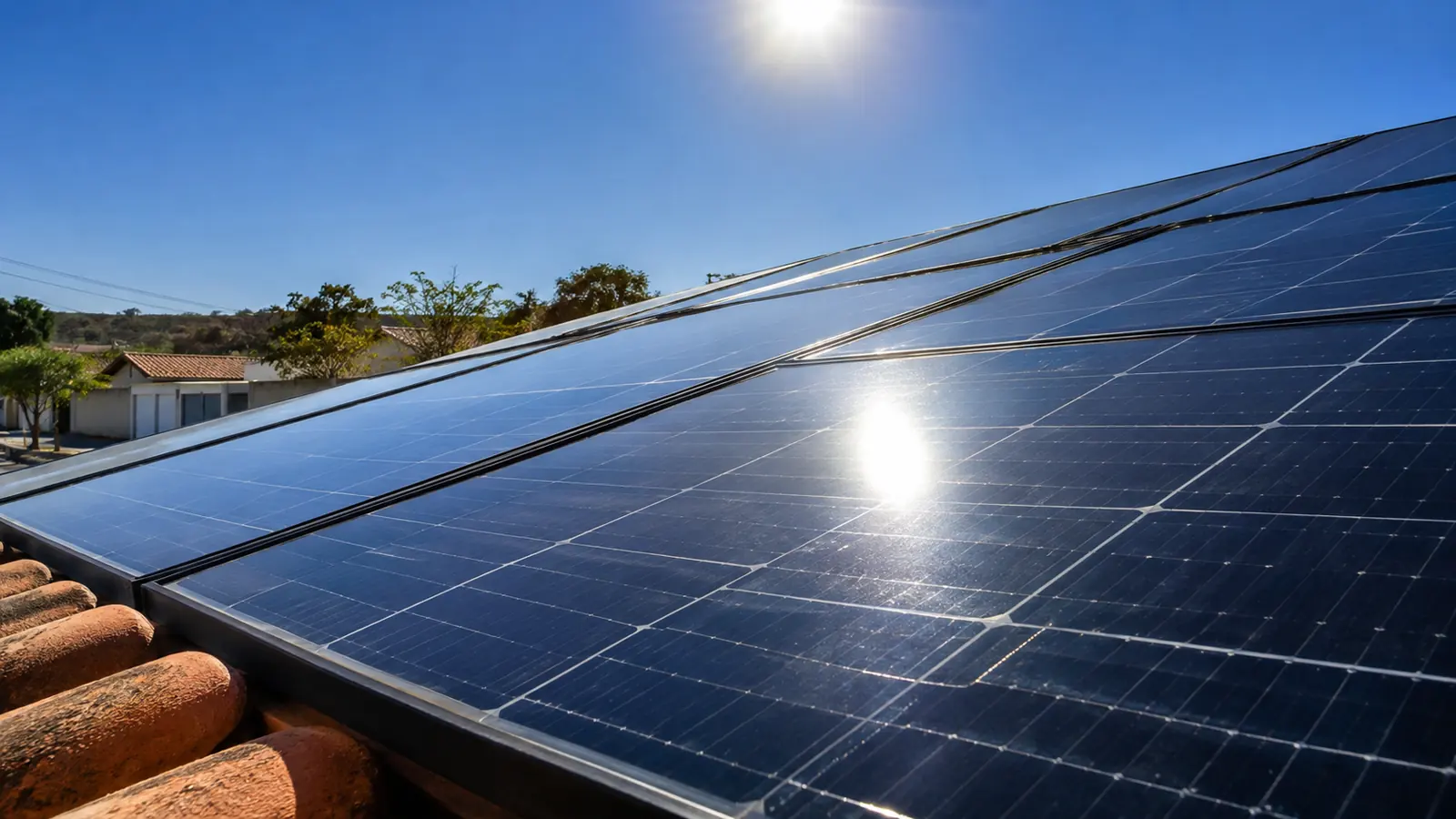
Close-up of black solar panels reflecting the sun and a clear blue sky
Illustrative image

A zero bill isn't realistic. Here's what stays on it.

Even with solar, a utility bill usually keeps some charges. The details depend on your utility and your rate plan.

On the bill of a home with solar

Fixed charges
Most utilities bill a basic customer charge just for being connected to the grid, whether you use power or not.
Taxes and fees
Some taxes and utility fees are still billed, even in months when you send more to the grid than you use.
Interconnection terms
Your utility sets the rules for connecting a system and for how extra energy is credited. Ask for the current terms in writing.
Credits
Extra energy you send to the grid may be credited toward future usage, under your utility's net metering terms.

Important: that's why Plainlabel Solar doesn't promise a zero bill or a payback period. Always ask for the estimated kWh per month: that's the number you compare with your bill.

Get a free estimate

Three types of system. The difference shows when the power goes out.

Grid-tied most common

How it works
Connected to the grid, no battery.
When the power goes out
Shuts off with the grid, by safety rule, to protect the crews working on the lines.
Upfront cost
The lowest of the three.
Best for
Homes where outages are rare or short.

Grid-tied with battery backup

How it works
Connected to the grid, with a battery.
When the power goes out
Keeps the circuits you choose running, like lights, fridge and internet.
Upfront cost
Higher, because of the battery.
Best for
Homes that lose power in storms, or that need critical loads kept on.

Off-grid

How it works
No grid connection, battery only.
When the power goes out
Keeps running on what the battery stored.
Upfront cost
Higher, and it needs careful sizing.
Best for
Remote property with no grid nearby.

A battery has its own lifespan and warranty, separate from the panels. Which of the three fits depends on your bill and on how reliable the power is on your street.

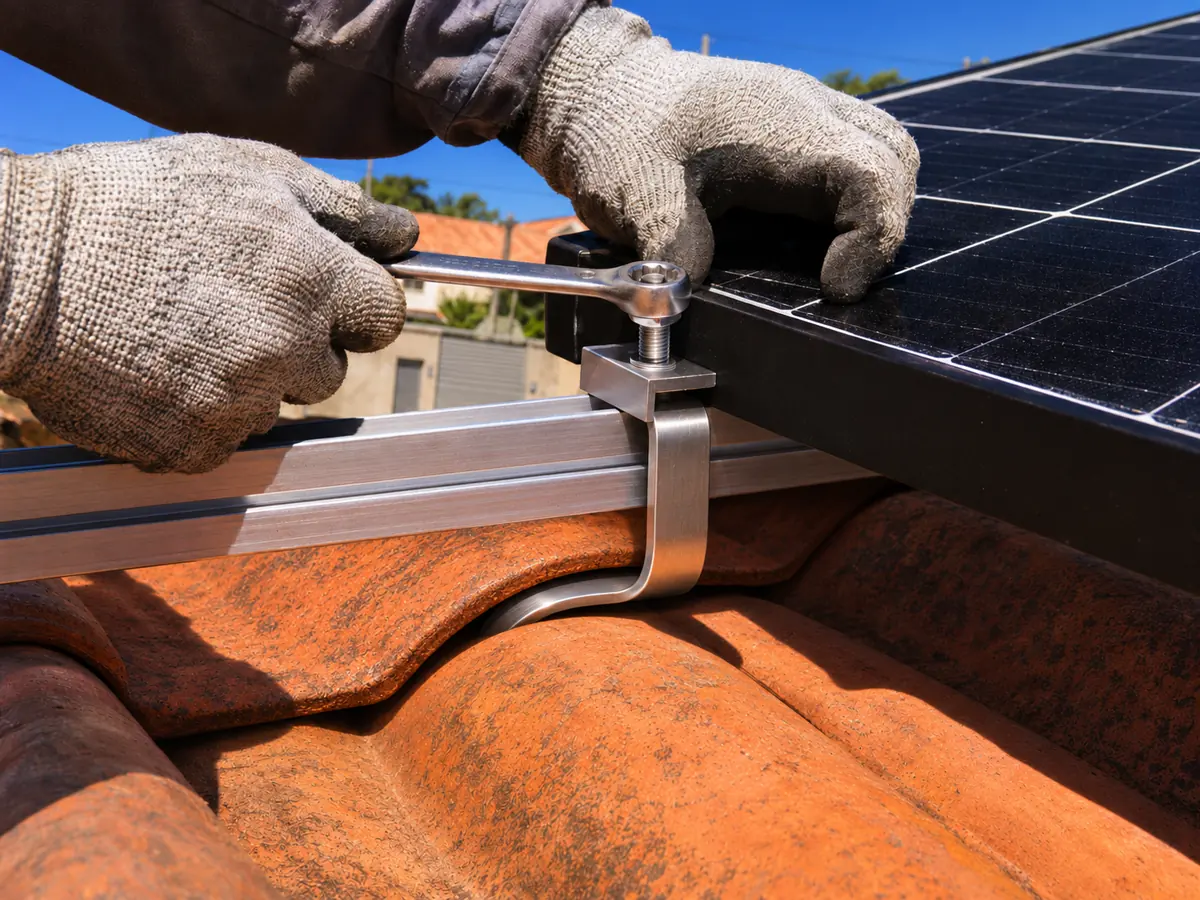
Gloved hands tightening a clamp that holds a solar panel to a rail, over clay roof tile
Illustrative image

What separates a system that lasts from one that leaks.

Done rightDone wrong
Mounts anchored to the rafters, with flashing and sealant at every roof penetration.A screw through the roofing alone, and a leak by the first storm.
A cracked tile or shingle is replaced on the spot.Broken roofing left hidden under the panel.
Solar-rated wire, protected from the sun and run in conduit.Ordinary wire left exposed, drying out over time.
Matching connectors, properly crimped.Mixed connectors that run hot.
Protection on the panel side and the house side, with grounding.No surge protection and no grounding.
Panels kept out of the shade during strong sun.Panels behind a chimney or the neighbor's oak.
Inverter in a ventilated, shaded spot.Inverter on a wall that takes the afternoon sun.
Production checked with you in the app.Handed over without showing you anything.

Bring this list to any company's site survey. Good installers don't mind questions.

Why two systems of the same size can have different prices.

Size
The kW come from your usage. More usage, more panels.
Roof
Tile, shingle, metal or flat. Each one needs a different mounting method.
Equipment
Panel and inverter brand. String inverter or microinverters.
Electrical
Distance from the roof to the main panel, panel upgrades and added load. Battery, if the system has backup. Roof height and access.

The label of a good quote 0 of 8 items

Check what your quote lists in writing.

I have a quote to compare

From sending your bill to a system that's on.

  1. You send your bill

    As a photo or PDF. It shows your recent usage and your rate plan.

  2. Site survey

    Roof, shade, main panel and electrical service are checked on site.

  3. Proposal

    With kW, estimated kWh per month, equipment, warranties, timeline and payment options.

  4. Design, permits and interconnection

    The design goes to your local permit office, and the interconnection application goes to your utility.

  5. Installation

    Mounting, panels, inverter and protection.

  6. Inspection and meter

    The local inspector and your utility check the work, and the meter may be swapped for one that measures both directions.

  7. System on

    Production shows up in the inverter app on your phone.

Important: part of the timeline belongs to the permit office and the utility, and doesn't depend on the installer. Ask for an estimated timeline in writing in the quote.

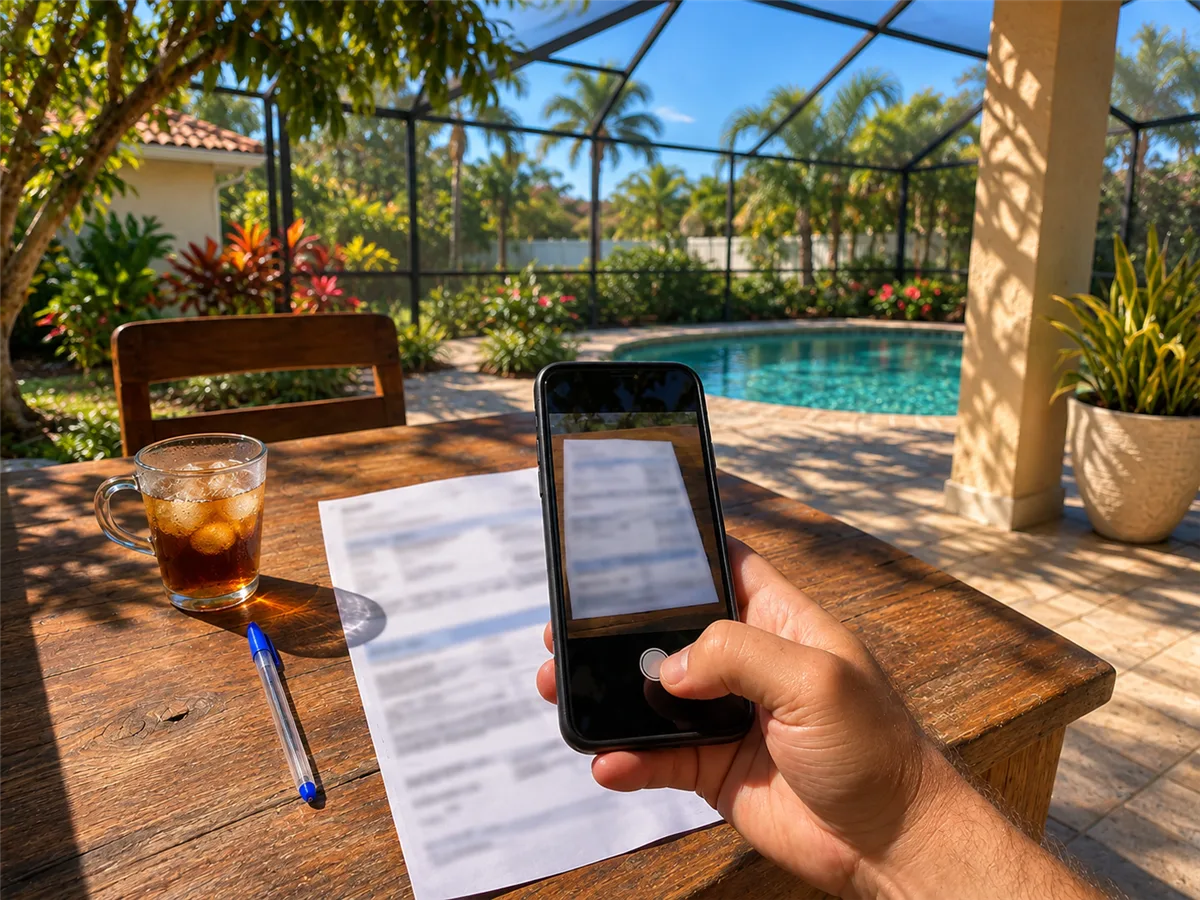
A hand holding a phone to photograph a paper utility bill on a porch table
Illustrative image

What we usually ask for

  • A recent electric bill, in the account holder's name.
  • Photo ID of the account holder.
  • Photos of the main electrical panel and the meter.
  • Roof access on survey day.
  • Renting: written OK from the property owner. In an HOA: tell us early.
Start with my bill
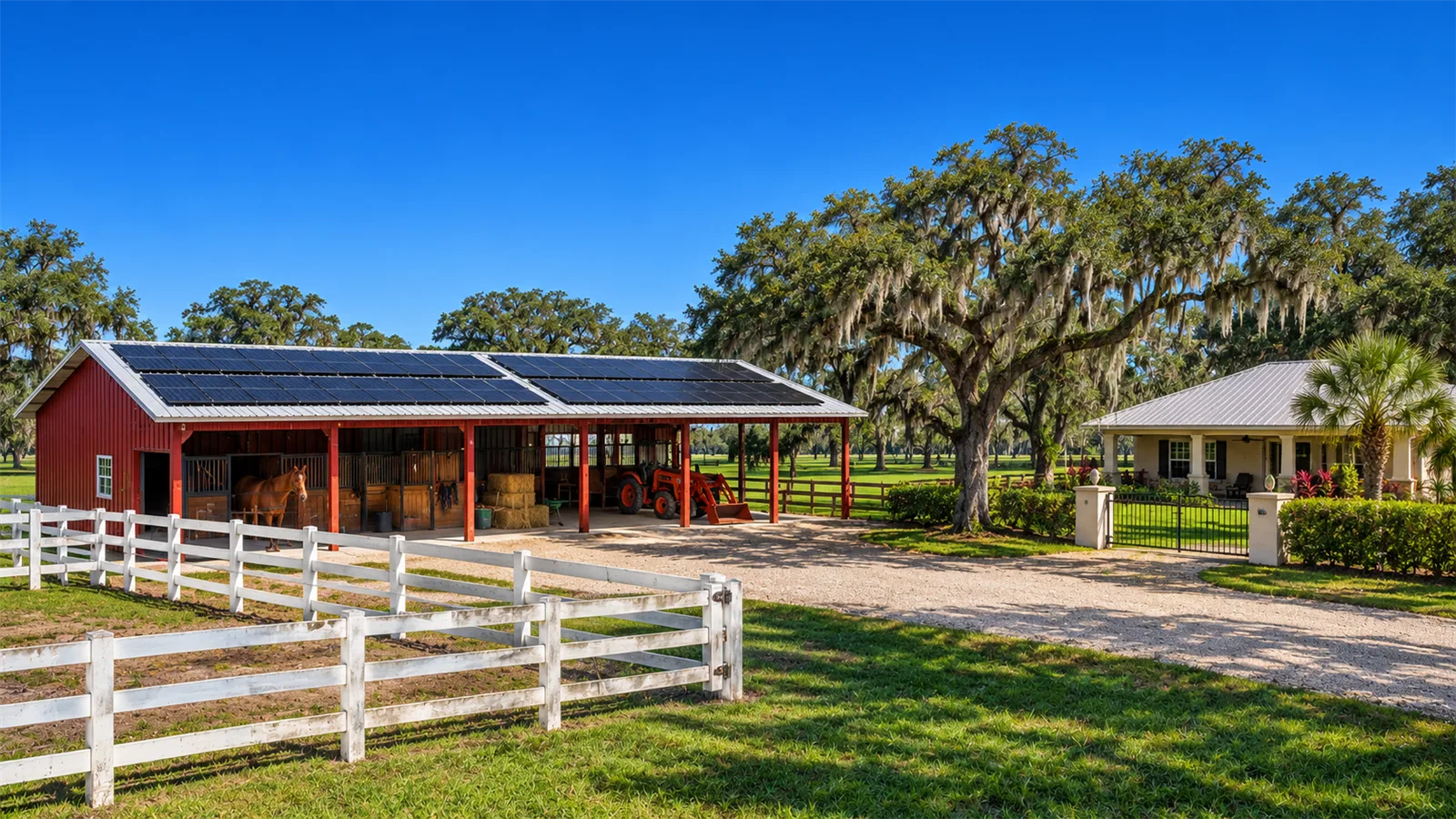
A barn with solar panels on its roof, a dirt drive and a flowering yellow tree, under a clear blue sky
Illustrative image

Home, big loads or acreage: what changes in each case.

Single-family home

Much of the use happens in the evening, after the sun is down. Shingle, tile or metal roofs work in most cases. Single-phase electrical service.

Ask about a home system
Pool, A/C or EV

Big loads change the math. Air conditioning, a pool pump or an EV charger count in the sizing, and the inverter gets room to grow. Tell us what's coming before the quote.

Ask about a bigger load
Barn or acreage

The roof of a barn or outbuilding, or a ground mount where there's space. A well pump or a workshop goes into the calculation.

Ask about acreage
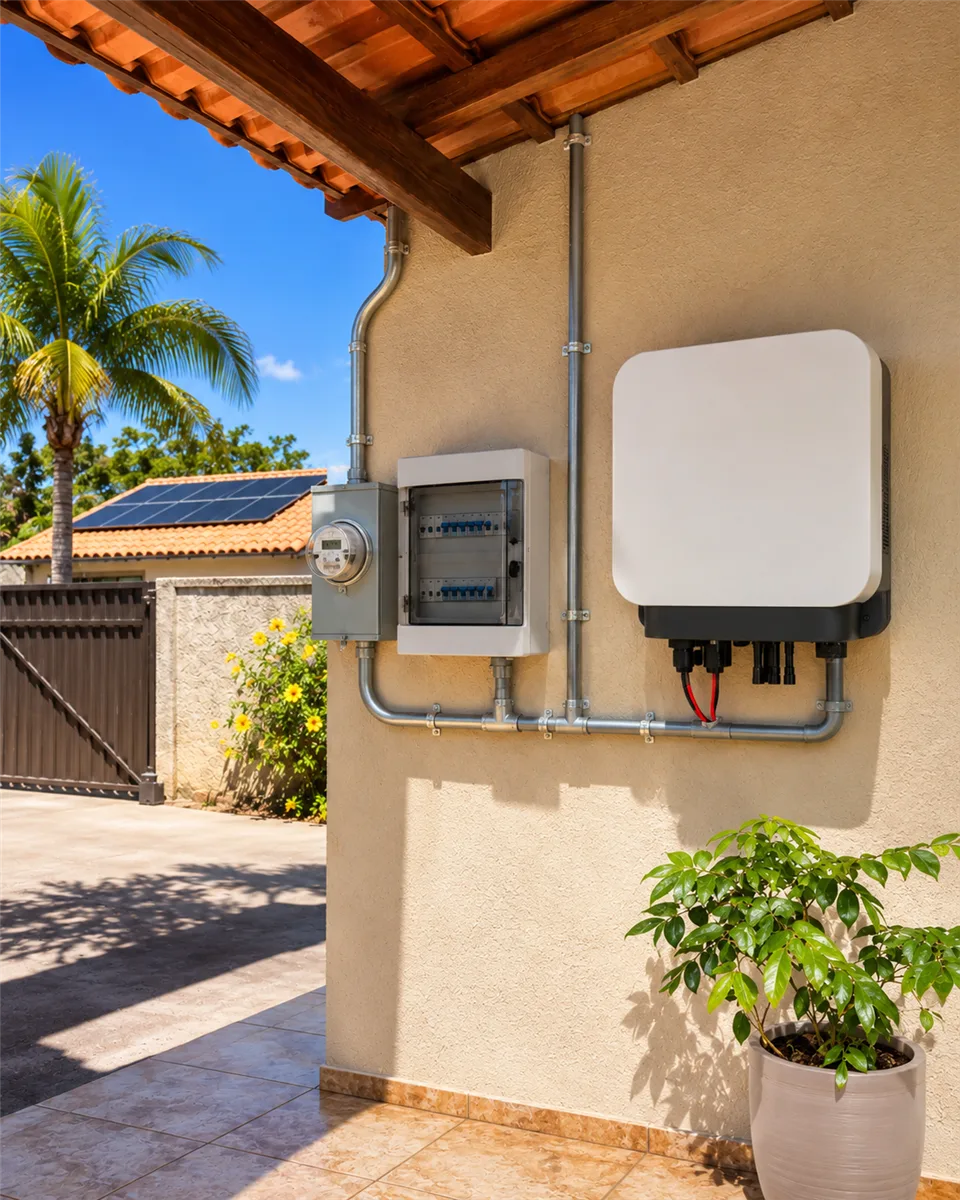
A white solar inverter on an exterior wall next to the breaker box, in the shade of a porch
Illustrative image

The system is on. Now what?

Monitoring
The inverter app shows production by day and by month. Compare with the same month last year, not last month, because the sun changes with the season. A sharp, sudden drop is a reason to call.
Cleaning
Water and a soft brush or squeegee, early morning or late afternoon, with the panels cool. No abrasive soap and no pressure washer. Dust and pollen can build up in dry spells. A roof is no place to climb without safety gear.
Panel warranty
Product and output warranties come from the manufacturer. The terms are listed in your quote.
Inverter warranty
Comes from the manufacturer. The terms are listed in your quote.
Workmanship warranty
Covers the installation itself. Get the terms in writing.

Questions from people about to sign.

Will my bill go to zero?

No. Fixed utility charges, taxes and fees usually remain. The system is sized to cover your usage, and your utility's net metering terms decide how extra energy is credited.

Is solar worth it for me?

It depends on your usage, your rate plan, your roof and the rules in force. Ask for the estimated kWh per month and compare it with your bill. Also ask about available incentives. Plainlabel Solar doesn't promise a payback period.

Does it work on cloudy or rainy days?

It produces less, but it does produce. The estimate uses the whole year, rain included. Rain also helps rinse the dust off.

What happens when the power goes out?

A grid-tied system shuts off with the grid, for the safety of line crews. To keep lights, fridge and internet on during an outage, the path is a system with battery backup.

What about hail and hurricanes?

Panel manufacturers test for impact and wind loads, and mounting is designed to meet local building requirements. For storm damage, ask your insurance agent how a solar system is covered.

Can my roof take it?

At the site survey, the decking and roofing are checked. If anything needs repair or reinforcement, it should show up in the quote. If the roof is near the end of its life, ask about replacing it first.

Can I add panels later?

Often yes, with a new permit and a new application to your utility. If you plan to add load, like a pool pump, a heat pump or an EV, tell us first so the inverter has room.

What if I move?

The system usually stays with the home when you sell it. What happens to any credits depends on your utility, so ask them before you list.

How long does it take?

Two parts: the installation, which depends on the installer, and the permits and utility approval, which depend on your city or county and your utility. Ask for an estimated timeline in writing.

How do I pay?

Payment options come with the quote. Ask about financing and about available incentives, and compare before you decide.

Ready to see your system size?

Tell us where to reach you and what your bill runs. We will call you about your system.

Example form. Nothing you type here is sent anywhere.

Company
Plainlabel Solar
Serves
Tampa, FL
Call
(813) 555-0186
Close-up of black solar panels reflecting the blue sky
Illustrative image
Free estimate Call